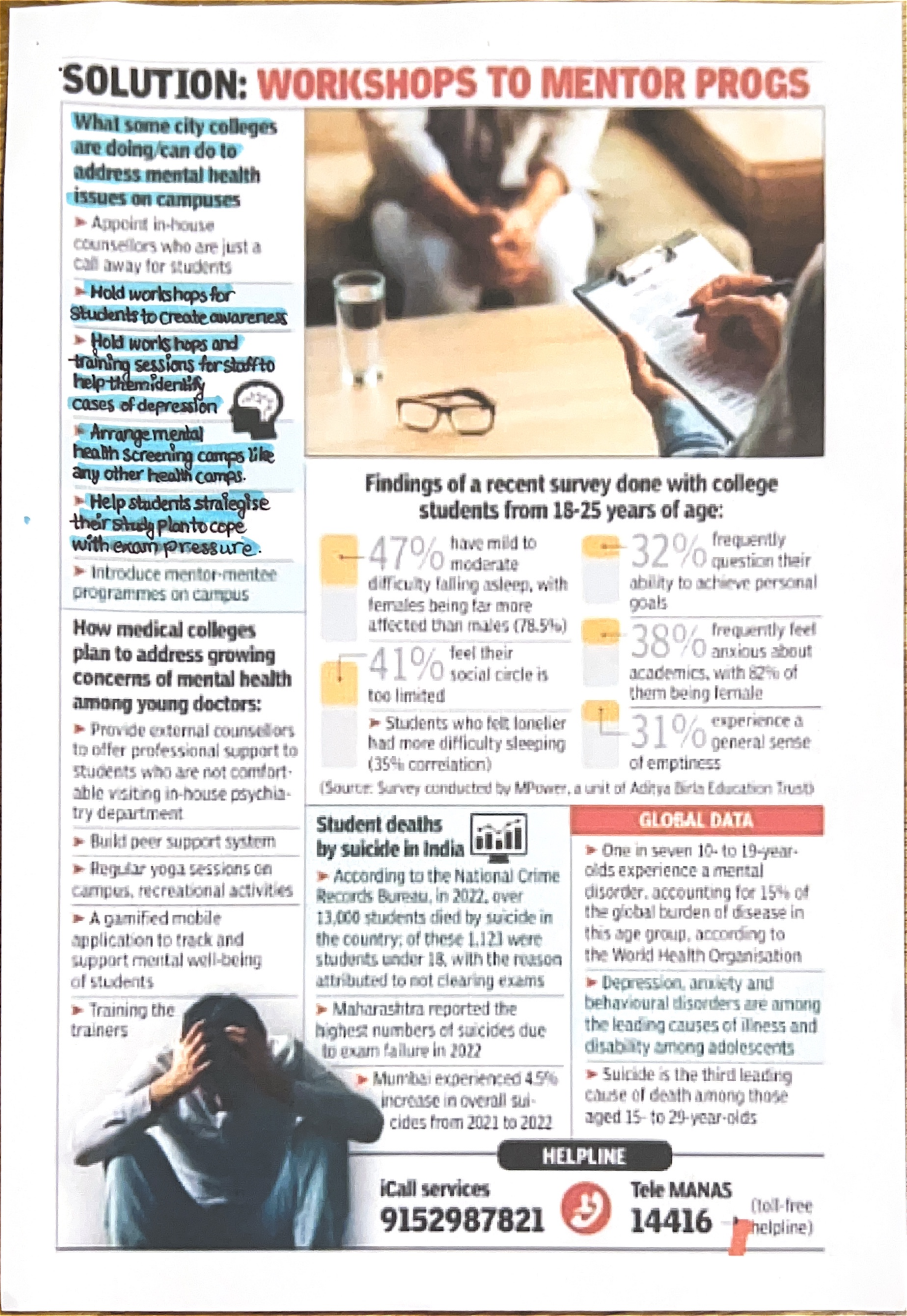
Out of 12 projects submitted, Athe Venkata Sri Lakshmi Manaswi of Class 7 had her project selected. We are sharing her original handwritten submission as it is. It may contain spelling or grammatical errors. We kindly request readers to consider her age and maturity, and not to judge her work harshly — she has miles to go and a bright journey ahead.
Project Submitted By : Athe Venkata Sri Lakshmi Manaswi of 7th B
Topic of the project:
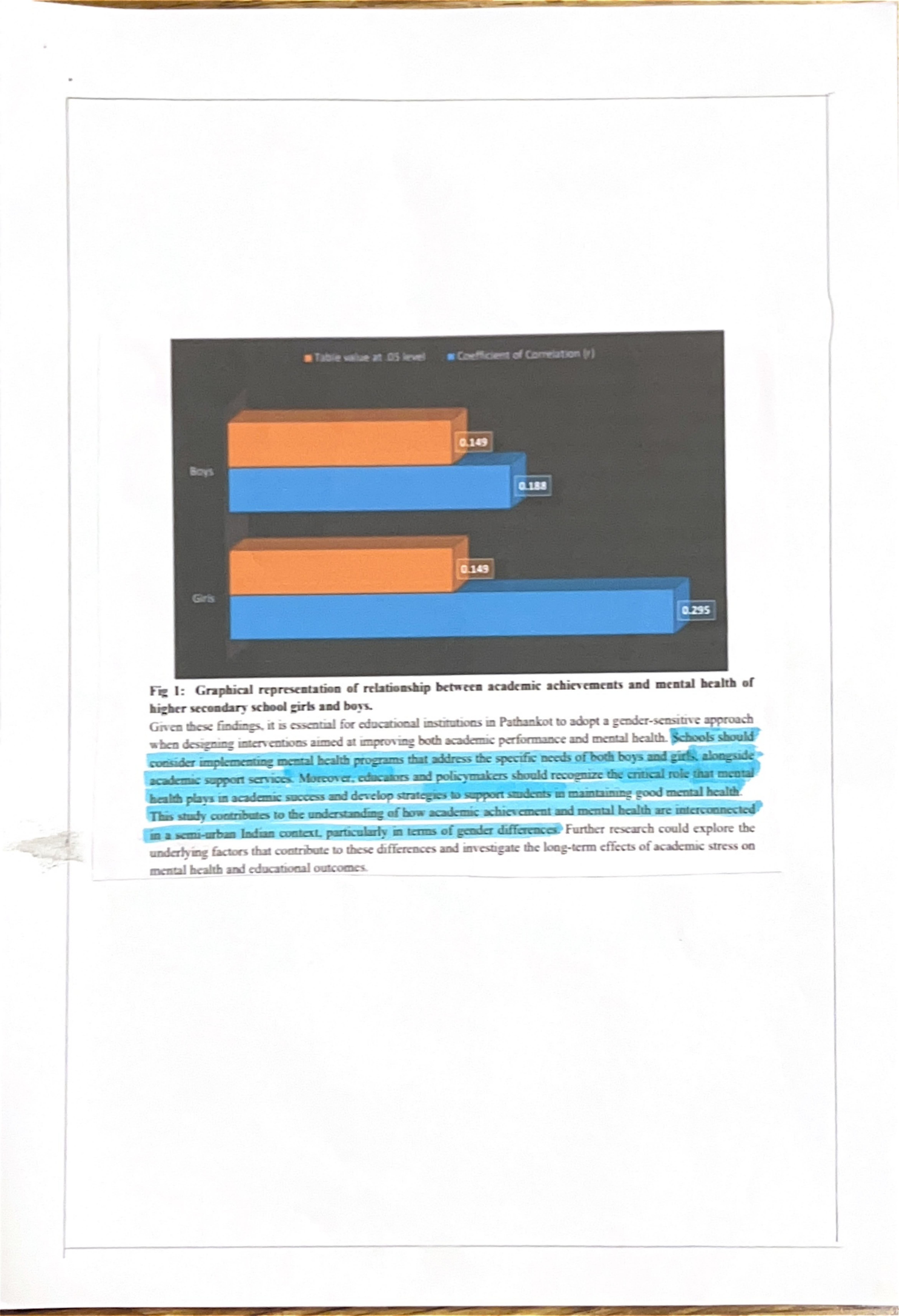
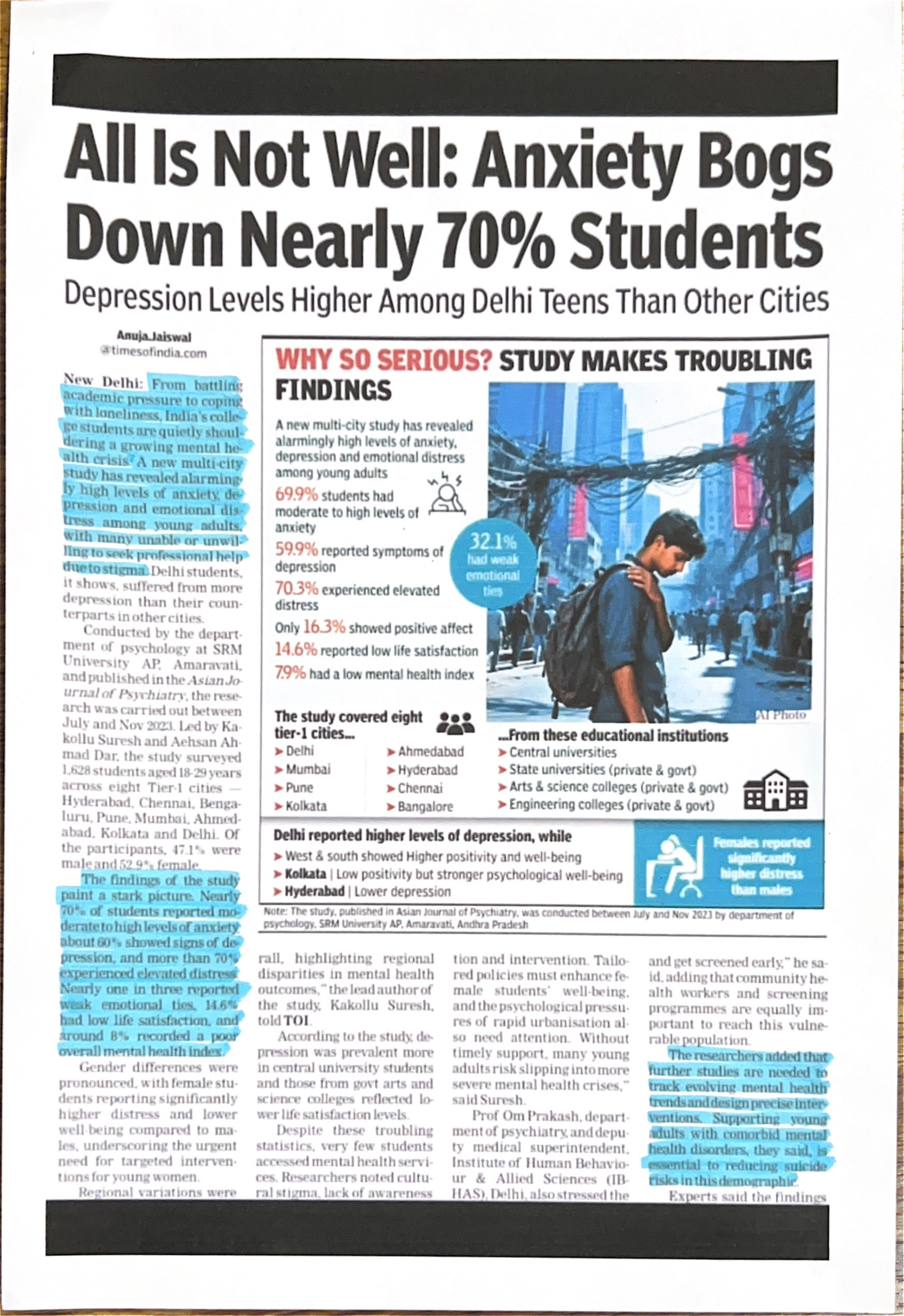
In today’s fast-paced and competitive world, students seem to be facing more emotional pressure than ever before — from exams, peers, social media, and self-expectations. But what is really happening inside their minds?”
Explore how different factors affect students’ mental health and confidence:
• The rise of stress and anxiety among students
• The impact of peer pressure and comparison on self-esteem
• The role of kindness, gratitude, and positive thinking in improving emotional well-being
• Whether talking openly about emotions can help people feel stronger and more connected
Then, reflect on:
• Why are these issues becoming more visible now?
• How can we build a healthier emotional environment that supports balance, kindness, and resilience?
INITIAL UNDERSTANDING
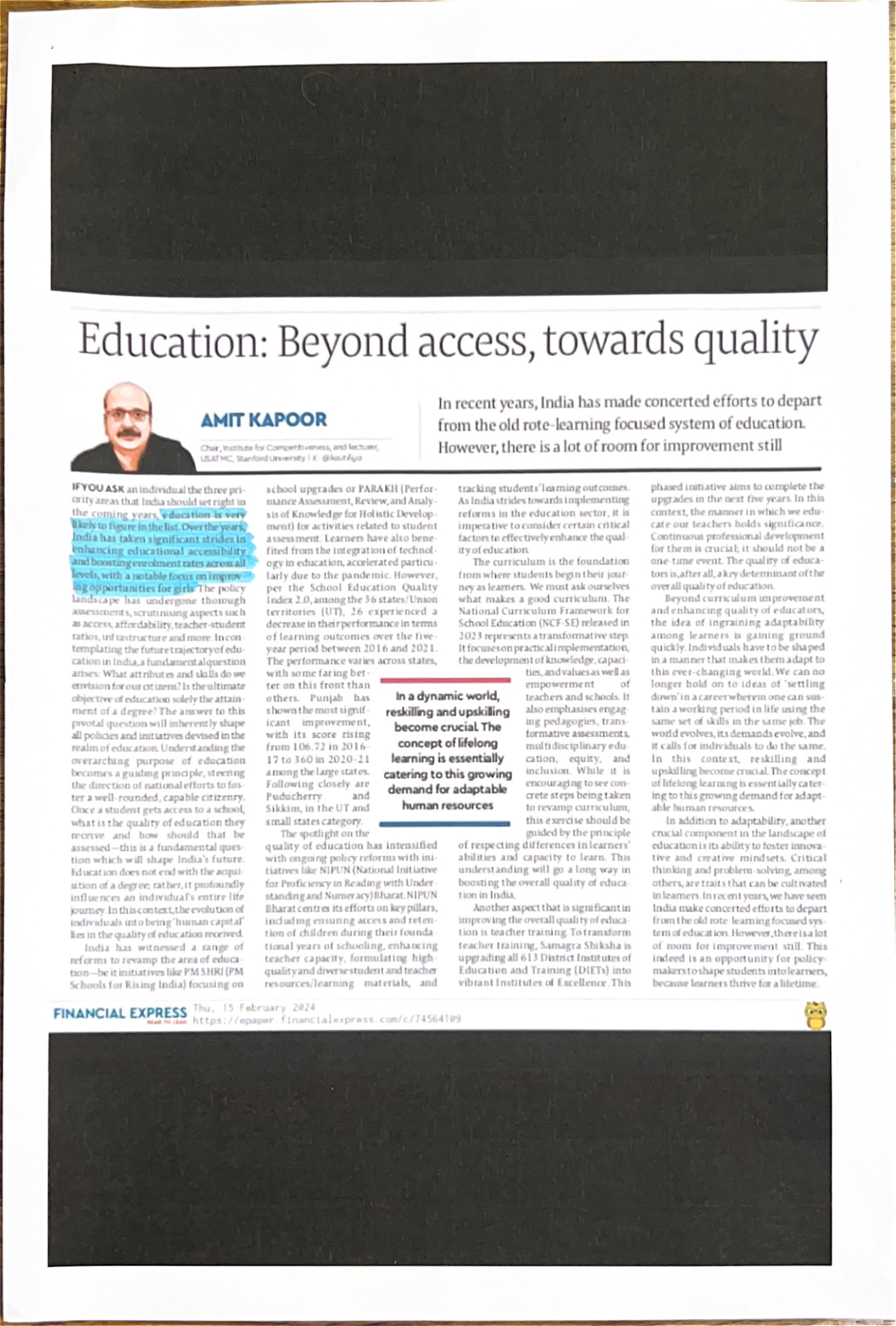
Introduction :- Mental ability refers to the capacity of an individual to think, reason, learn, and solve problems. In the context of students, it includes cognitive skills, intellectual potential, and problem-solving capabilities that adapt them to new situations and perform academically. Mental ability is not fixed; it can develop over time with proper stimulation, education and practice. Understanding mental ability is crucial for educators, psychologists, and parents to tailor teaching methods, identify learning difficulties, and enhance overall academic performance.
LATER UNDERSTANDING OF TOPIC
Factors Affecting Mental Ability :-
A variety of factors influence the mental ability of students. Genetics factors play a role in determining natural intelligence and cognitive potential. Environmental conditions such as family support, school atmosphere, and peer interaction greatly affect mental growth. Age and Development are the nature of which cognitive skills are most predictive of achievements changes with age (eg: attention control more in early years; reasoning more in adolescence). Motivation and Self-regulation factors which indicate self-discipline, planning, metacognitive awareness moderate how mental ability translates into achievements. Stress, fatigue, emotional distress can impair cognitive functioning like memory, attention.
Relationship to Academic Achievements :- Students with higher cognitive / mental ability tend to have better academic outcomes. Other non-cognitive skills (motivation, persistence, planning) become more important as student progress. Example :- A study found self-discipline partially mediates the effect of cognitive ability on achievements; planning moderates this pathway.
Challenges & Consideration :- Overemphasis on mental ability can lead to neglecting motivation, emotional / social factors. Assessing mental ability in students must consider fairness and cultural variations. Mental ability is not fixed while some aspects are stable, others like executive functions can be improved with training.
Role of Internet :-
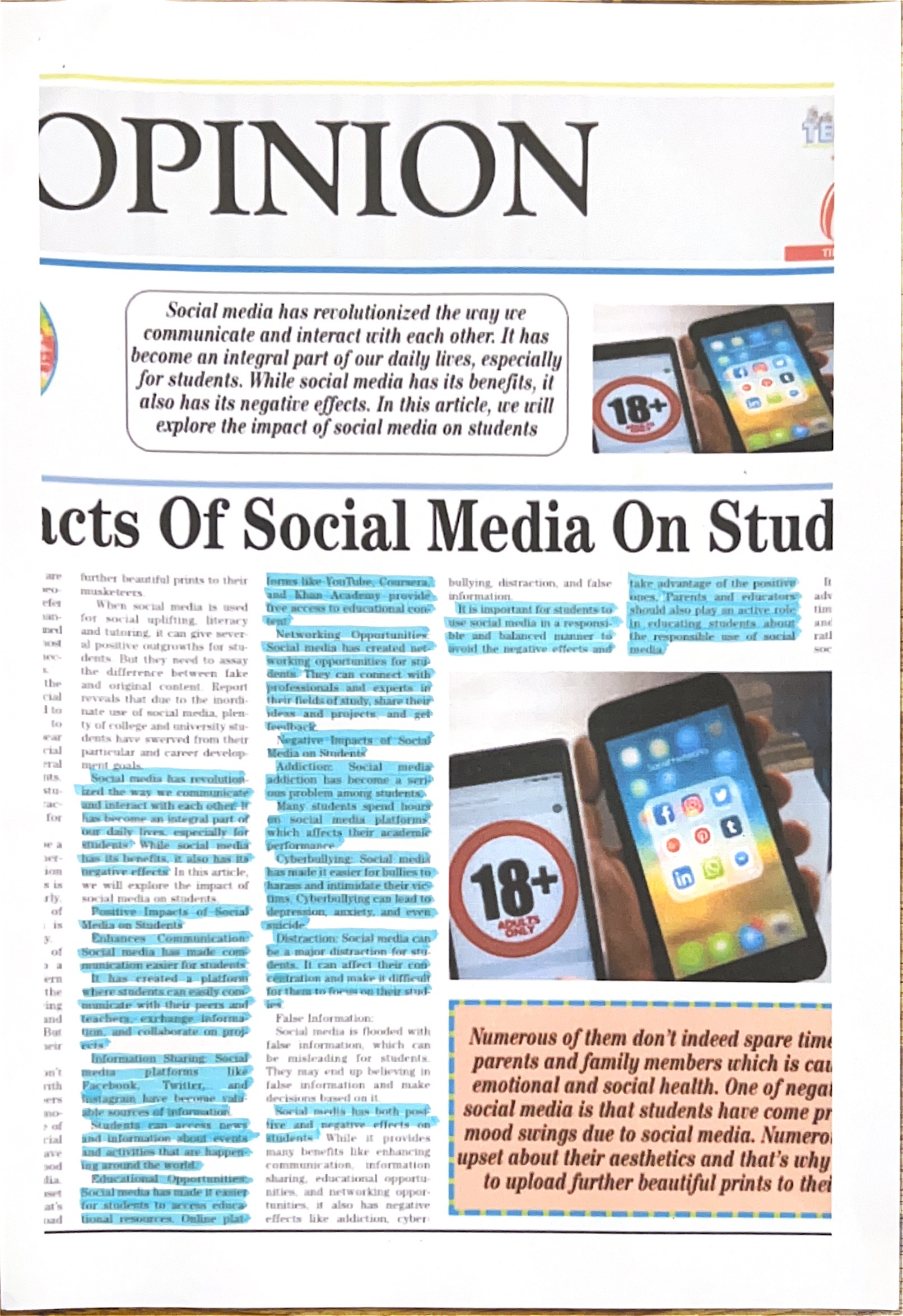
Positive Impacts :-
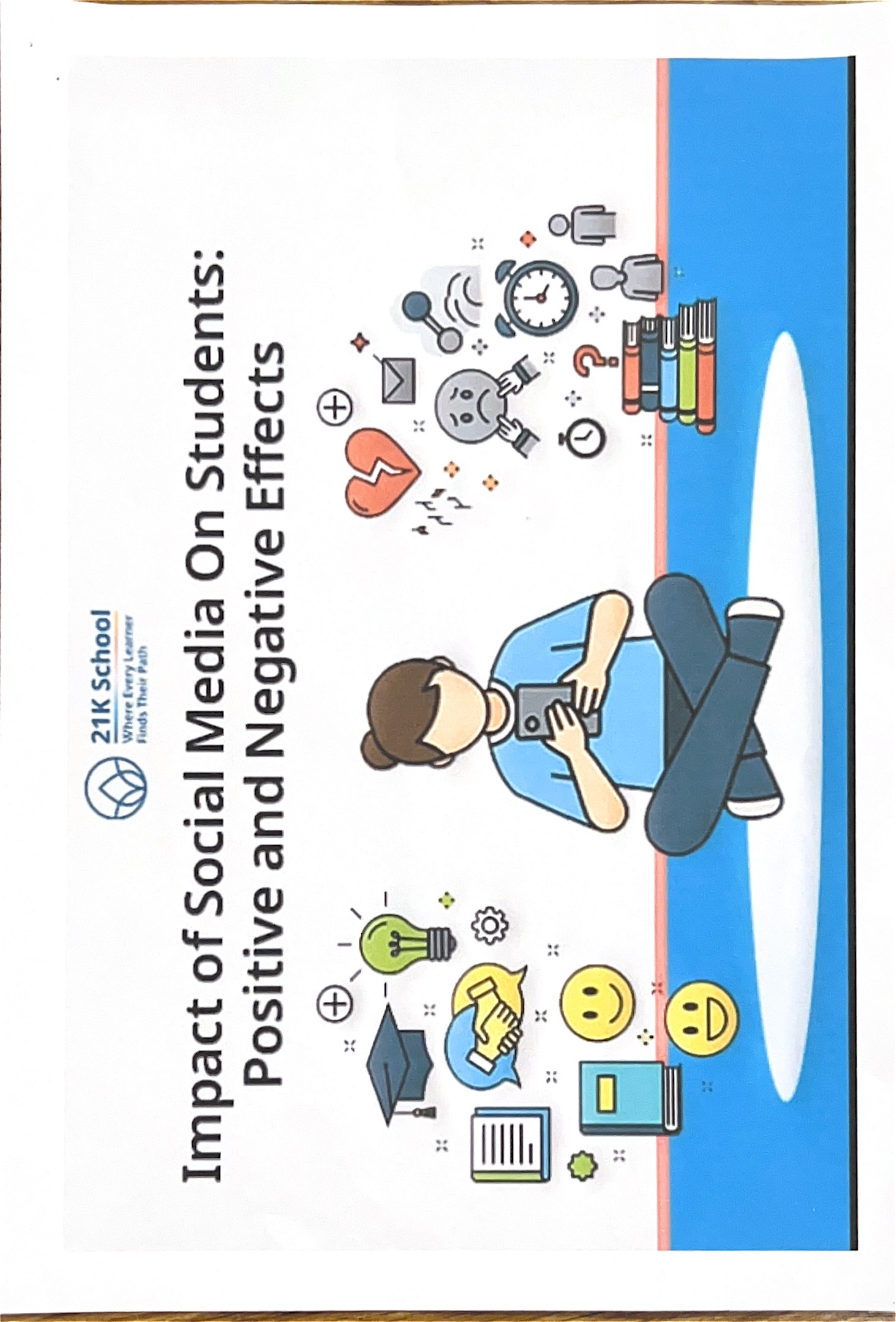
- Access to Information :- Internet provides students access to educational content, research materials and online learning platforms. This helps in research and developing reasoning, comprehension and analytical thinking.
- Skill Development :- Websites, apps, and digital tools like coding games, brain-training apps, educational videos enhance problem-solving and logical reasoning skills.
- Collaborative Learning :- Discussion forums, online study groups, digital classrooms promote creative thinking and broaden student perspectives.
- Independent Learning :- Students can learn at their own pace, which improves self-regulation – a key part of mental ability.
Negative Impacts :-
- Distraction and Reduced Focus :- Overuse of internet especially social media and entertainment platforms reduces concentration and attention span.
- Superficial Learning :- Easy access to quick answers can discourage deep thinking and reasoning ability.
- Cognitive Overload :- Too much online information may overwhelm students, affecting memory and comprehension.
- Balanced Use :- Teachers and Parents should guide students on using the internet purposefully – for research, concept building and brain exercises.
SURPRISE FINDINGS
Ways to Develop Mental Ability :- Students can develop their mental abilities through continuous practice and healthy habits. Engaging in activities like puzzles, riddles and Sudoku can sharpen reasoning skills. Reading books and improving vocabulary enhance verbal ability. Practicing mathematics and participating in debates, group discussions, and solving problems encourages logical thinking. Along with mental exercises, maintaining good physical health, proper sleep, and a positive attitude also contribute to better mental performance.
Role of Parenting :- Parents are the first teachers in a child’s life. Their support, encouragement, and communication strongly influence a student’s mental development. When parents talk with their children, help with studies, and allow them to ask questions, it increases logical thinking and curiosity. On the other hand, strict or neglectful parenting can lead to stress, fear, or lack of motivation, which lowers mental ability.
Role of Teachers :- Teachers act as guides who identify and improve students’ mental ability in the classroom. Effective teaching methods such as group discussions, projects, and interactive learning help students think critically and apply their knowledge.Teachers who use motivating feedback and understand individual learning differences create a supportive environment that boosts confidence and problem-solving ability.
Conclusion :- Mental ability helps students achieve overall growth and success. Encouraging curiosity, providing emotional support, and creating a positive learning space can help develop stronger and smarter young minds.